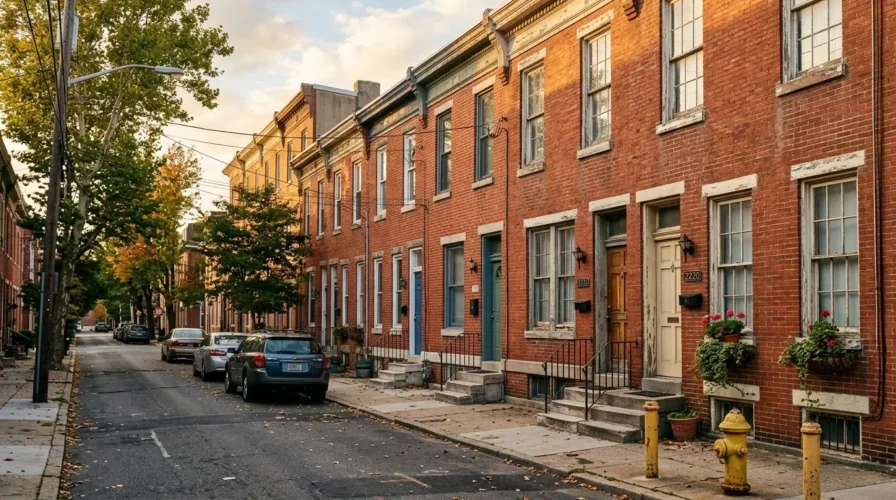
If you own a rental property in Philadelphia, there’s a better than 95% chance this article applies to you. Nearly all of Philadelphia’s housing stock was built before 1978, when lead paint was banned for residential use. Around 70% of it was built before 1950. Neighborhoods like Brewerytown, Fishtown, Francisville, Grays Ferry, and Point Breeze are full of beautiful older homes that landlords love to rent out. They’re also among the highest-risk areas in the city for lead paint.
There are two sets of rules you need to follow: federal and local. The federal lead based paint disclosure requirement applies to landlords across the country. Philadelphia adds a layer on top. A certification requirement most cities don’t have.
Miss either one and you’re exposed. Not just to city fines, but to tenants who can legally withhold rent, sue for a full refund of everything they’ve already paid, and block you from evicting them while you scramble to get compliant.
We deal with this constantly. Landlords who’ve been renting for years and had no idea Philadelphia’s law changed in 2020. This guide covers both sets of requirements, what the certifications actually mean, how to get one, and what’s at stake if you skip it.
Table of Contents
What Is Lead Based Paint Disclosure and Who Does It Apply To?
Lead based paint disclosure is a federal requirement under Title X of the Housing and Community Development Act. It applies to any landlord renting a residential property built before 1978, anywhere in the United States.
The rule is simple: before a tenant signs a lease, you have to tell them what you know.
Specifically, you’re required to:
- Disclose any known lead-based paint or hazards in the property
- Provide the EPA pamphlet Protect Your Family From Lead In Your Home
- Have the tenant sign a disclosure form acknowledging they received the information
- Keep a copy of that signed form for at least three years
The key phrase is “known.” Federal lead based paint disclosure law doesn’t require you to test for lead paint. It only requires you to share what you already know. If you’ve never tested and have no reason to believe the property has a hazard, you disclose that and you’re covered under federal law.
Philadelphia does not give you that same out.
Philadelphia’s Additional Lead Paint Requirements for Landlords
Philadelphia’s Lead Paint Disclosure and Certification Law (Bill No. 180936-A) went into effect in October 2020 and was fully phased in across the city by April 2022. Unlike the federal rule, the city doesn’t let you off the hook just because you don’t know.
If your rental property was built before 1978, you must:
- Have the property inspected by a certified lead inspector
- Obtain a lead-safe or lead-free certification based on that inspection
- Provide a copy of that certification to the tenant before the lease is signed or renewed
- Distribute the city’s pamphlet on reducing lead exposure from pipes and plumbing
- Disclose any known lead service lines to the tenant
- Submit a copy of the certification to the Philadelphia Department of Public Health
This applies to all pre-1978 rental properties in the city, regardless of tenant age, whether children live there, or whether you’ve ever had a complaint.
Worth knowing: Philadelphia presumes all residential properties were built before 1978. The burden is on you to prove otherwise, not on the tenant to prove it’s old. If you’re not sure when your property was built, assume the law applies.
The official date the city goes by is whatever is listed at property.phila.gov. It doesn’t matter when the house was last rehabbed or gut-renovated. It’s when the home was originally built.
That distinction matters more than most landlords realize. I bought 2103 Carpenter Street years ago. When we got it, the only things standing were the foundation and the front brick wall. No roof, no windows, no floor joists. We rebuilt the entire house from the ground up. Because we kept that front facade, Philadelphia still considers it a pre-1978 property. I get a lead-safe certification every four years on a house that is essentially brand new — except for one wall.
This is where Philadelphia’s lead paint law diverges most from the federal standard. Federal law is a disclosure. Philadelphia’s law is a certification. Saying “I don’t know of any lead hazards” doesn’t satisfy the city requirement. You need paperwork from a certified inspector before anyone signs a lease.
What’s the Difference Between Lead-Free and Lead-Safe Certification?
There are two certification levels and they work differently.
Lead-Free means a certified inspector tested the property and found no lead-based paint anywhere. A lead-free certificate doesn’t expire. Once you have it, you’re done testing. You’ll still need to hand a copy to each new tenant before their lease starts, but there’s no renewal cycle.
Lead-Safe means the property may have lead-based paint, but it’s in good condition with no chipping, flaking, or peeling, and interior dust samples came back within EPA limits. Lead-safe is the more common certification for older Philadelphia properties. The catch is that a lead-safe certificate is only valid for four years. After that, you need a fresh inspection to renew it.
Two things that catch landlords off guard:
- Even with a valid lead-safe certificate on file, you must provide a copy to each new tenant before they move in
- If you remediate the lead paint completely, you can upgrade from lead-safe to lead-free and end the four-year renewal cycle permanently
For most landlords with pre-1978 properties in neighborhoods like Olde Kensington, Grays Ferry, or Brewerytown, lead-safe is the realistic path. Lead-free requires full abatement, which is a bigger investment, but worth considering if you plan to hold the property long-term.
Lead-Free vs. Lead-Safe comparison
| Lead-Free | Lead-Safe | |
| Lead paint found? | No | Possibly, but stable |
| Certificate expires? | Never | Every 4 years |
| New inspection to renew? | No | Yes |
| Most common path? | After full abatement | Most pre-1978 properties |
How to Get a Lead-Safe or Lead-Free Certification in Philadelphia
The process is manageable, but it requires a certified inspector. You cannot self-certify.
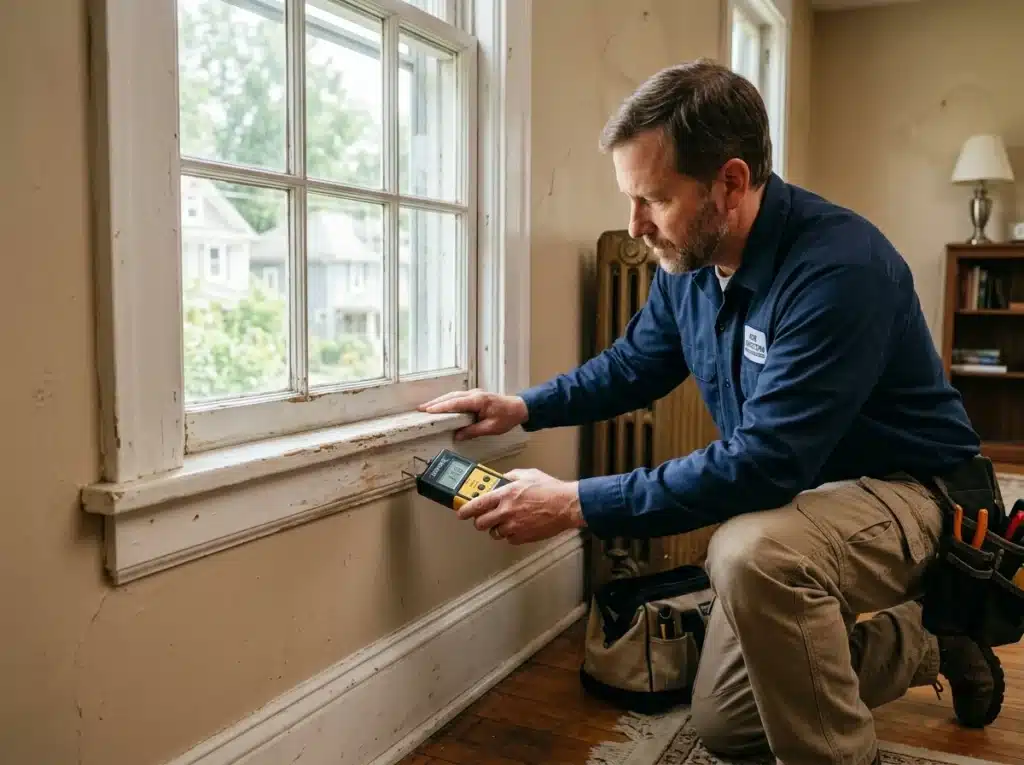
Step 1: Hire a certified lead inspector You need a Pennsylvania-certified lead inspector or risk assessor. The Philadelphia Lead and Healthy Homes Program maintains a list of certified professionals. In our experience coordinating these inspections, most single-family properties in Philadelphia come in between $175 and $275 depending on the number of bedrooms.
Step 2: Schedule the inspection The inspector will examine all painted surfaces for signs of deterioration and collect dust samples from floors and window sills, which are the areas where lead dust accumulates most. A typical inspection takes a few hours.
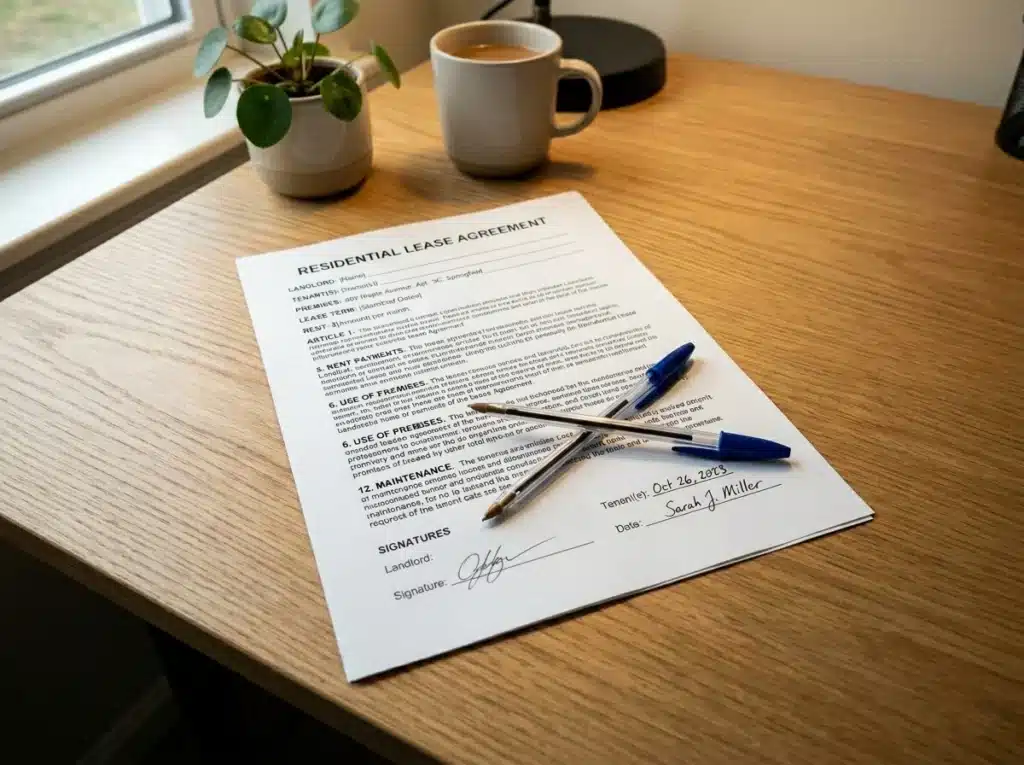
Step 3: Get your certification If the property passes, the inspector issues a lead-safe or lead-free certificate. This is the document you need before you can legally execute a lease under Philadelphia law.
Step 4: Provide it to the tenant and the city Give the tenant a copy before the lease is signed. Submit a copy to the Philadelphia Department of Public Health through the city’s Lead Certification Submission System. Keep one for your records.
If the property fails, you’ll need to address the deteriorated paint surfaces and retest. Minor encapsulation work, which means sealing surfaces so lead dust isn’t released, is relatively affordable. Full abatement for a lead-free certification costs more depending on the scope of the work.
HubKey coordinates lead-based paint test scheduling as part of our Rental License and Philadelphia Lease Compliance service. If you’re getting a property compliant for the first time, this is one piece of a larger stack that also includes your rental license, Certificate of Rental Suitability, and the rest of what the city requires.
What Happens If a Landlord Doesn’t Comply?
This is where it gets serious. Philadelphia’s consequences for non-compliance aren’t administrative fines. They’re structural and they hit landlords in the most inconvenient ways possible.
If you haven’t provided the required lead paint certification before a tenant moves in:
You cannot evict the tenant for any reason until you come into compliance. Courts will throw the case out. Doesn’t matter why you’re filing. Non-payment, property damage, lease violations. None of it matters until you’re certified.
We’ve seen this happen. A landlord files for non-payment, the tenant’s attorney raises the lead certification issue, and the judge dismisses the case. The landlord then has to get the inspection done, refile, and start the clock over.
Beyond the eviction issue, the tenant can sue for a refund of all rent paid during the period of non-compliance. Future rent can be abated, meaning the tenant legally owes nothing until you provide a valid certificate. On top of that, exemplary damages of $2,000 can be added, plus the tenant’s attorney fees.
That last one tends to get people’s attention. This is not a $200 city citation. It’s potentially years of rent you could be ordered to return, plus legal costs you didn’t plan for.
The federal lead based paint disclosure violation carries weight too. Failing to provide the required disclosure form and EPA pamphlet can result in EPA penalties up to $21,018 per violation.
The cost of a lead inspection looks completely different next to that math.
Frequently Asked Questions
Does lead based paint disclosure apply to all rental properties? No. It applies to residential properties built before 1978. Properties built after March 1978 are exempt from both the federal landlord lead paint disclosure requirement and Philadelphia’s certification law.
How long is a lead-safe certificate valid in Philadelphia? Four years from the date of the inspection. After that, you need a new inspection to renew it. Lead-free certificates don’t expire, but you still need to provide a copy to each new tenant before their lease begins.
What’s the difference between lead-free and lead-safe? Lead-free means no lead-based paint was detected anywhere in the property. Lead-safe means lead may be present but is in stable condition and dust levels are within EPA limits. Lead-safe requires recertification every four years. Lead-free does not.
Do I need a new certification every time I get a new tenant? Not necessarily. If your existing certification is still valid, you don’t need a new inspection. You do need to provide the current certificate to each new tenant before they sign.
Can a tenant sue me if I don’t comply with Philadelphia’s lead paint law? Yes. Under the city ordinance, a non-compliant landlord can face a full rent refund for the period of non-compliance, abatement of future rent, $2,000 in exemplary damages, and attorney fees. Separately, the EPA can fine landlords up to $21,018 per violation for failing to meet federal lead based paint disclosure requirements.
What if I don’t know when my property was built? Philadelphia presumes all residential properties were built before 1978. If you’re not sure, assume the law applies and get an inspection.
Getting lead paint compliant in Philadelphia means coordinating a certified inspector, filing with the Department of Public Health, and making sure the paperwork is in front of the tenant before anyone signs anything. It’s manageable, but it’s one more thing on a list that also includes your rental license, Certificate of Rental Suitability, and BIRT registration.
HubKey handles the full compliance stack for a flat $500, including lead-based paint coordination. Get a free rental income analysis to see where your property stands.
Disclaimer
This article is for informational purposes only and does not constitute legal advice. Philadelphia’s lead paint laws are subject to change. Always consult a licensed attorney or certified lead inspector for guidance specific to your property.

Mike Goldstein is the CEO and Broker of Record at HubKey Real Estate. He bought his first Philadelphia rental property in 2008 and has been managing and acquiring properties across the city ever since. He founded HubKey in 2022 to bring transparency to Philadelphia property management. His focus is helping everyday people build wealth through real estate.